
 Insights
Biodiversity
The Native Species That Holds a Landscape Together
In Papua, sago connects healthy wetlands, wildlife and everyday life. Its forests provide food for families and habitat for animals, with community knowledge helping sustain both across generations.
A native species that keeps on giving
Sago is a palm that stores edible starch inside its stem. Often called a ‘miracle crop’, it has a natural ability to renew itself: when a mature stem is harvested, younger shoots continue growing from the same clump. This cycle allows a grove to provide repeated harvests over time.
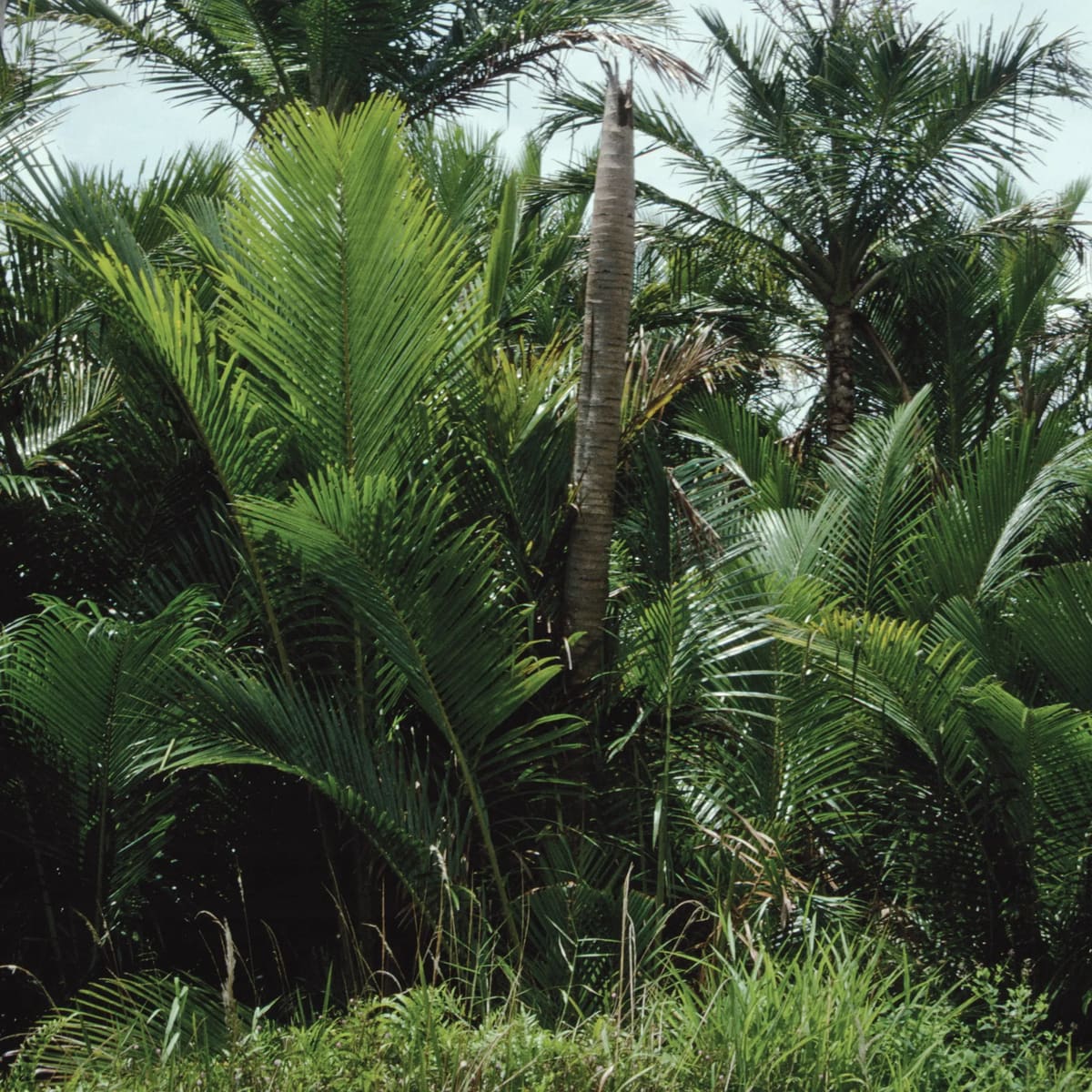
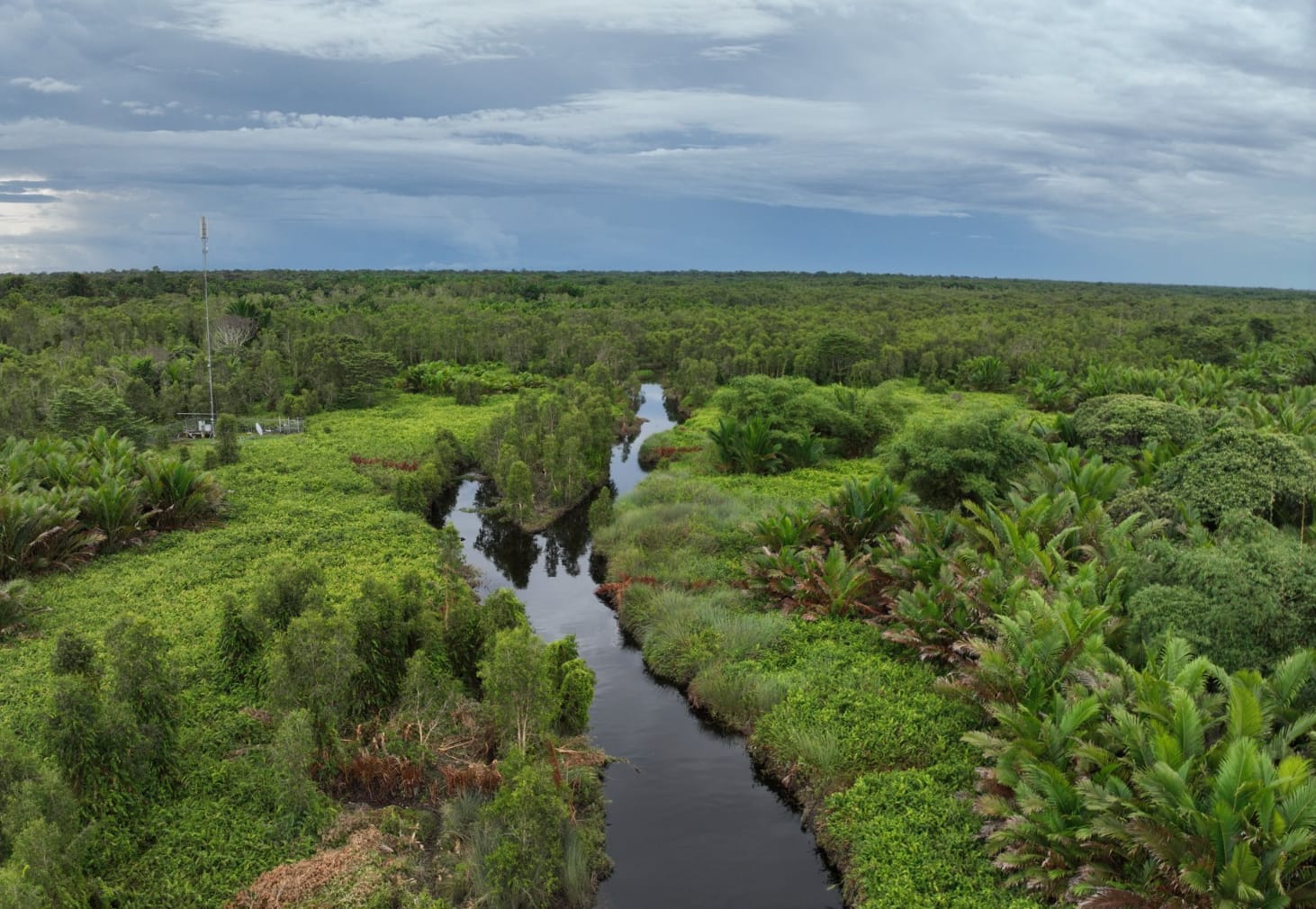
In Papua, sago grows in freshwater swamps and wet lowland forests.[1] Palms of different ages grow together among other trees. Sago is well suited to these wet environments, making it a valuable food source in places where crops that need dry ground would be difficult to grow.
Water is essential, but the balance matters. Sago grows well in waterlogged soil where water levels rise and fall naturally. Short periods of flooding are generally tolerated, while prolonged deep flooding can reduce starch production.[2] Heavy drainage can also damage growing conditions by drying the roots and causing the ground to sink.[2]
The wider forest helps manage that water. Sago forests slow water moving across the landscape, help reduce flood risk and support water availability during drier periods. Their roots hold soil in place and help limit erosion.[4] Keeping these wetlands healthy supports both the palms and the landscape around them. Healthy sago forests also absorb and store carbon, adding climate value to their role in caring for water and soil.[4]
A living forest where wildlife finds a home
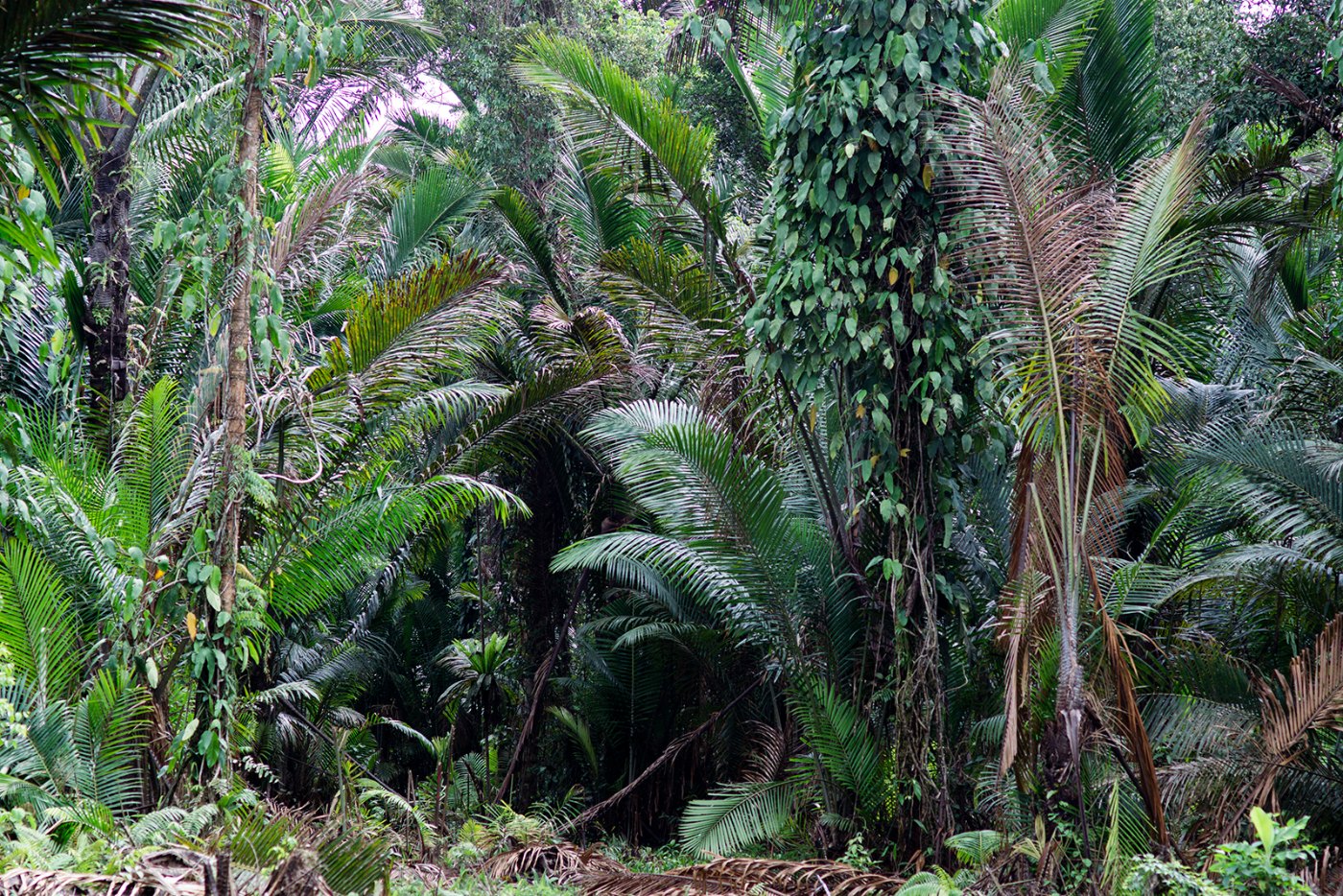
The biodiversity value of sago forests lies in the life they support. Alongside the palms, other trees, climbing plants and plants beneath the canopy create a varied forest environment.[1] Within this landscape, even a dead palm can have a role as a place for wildlife to nest.
During fieldwork in Papua, Canopy Carbon's biodiversity team often finds kasturi kepala hitam, the black-capped lory, nesting inside dead sago palms. These observations show a connection that is easy to overlook: a palm that has finished growing can still help another species raise its young.
Published research helps explain why these nesting places matter. A study by Warakai and colleagues identifies the black-capped lory as a species that depends on tree cavities for nesting. It also highlights the importance of these hollows to many other birds and mammals across New Guinea.[5]
Together, the field observations and research underline the importance of protecting the habitat within the forest. Caring for sago landscapes means paying attention to nesting places and surrounding vegetation, as well as living palms. Selective harvesting and care for habitat features can help communities use sago while maintaining places for wildlife.
Feeding families and keeping traditions alive
For many Papuan families, sago is an everyday source of food. Its starch is used to make papeda and other familiar dishes.[1] Mixed gardens provide additional foods and potential sources of income, helping families spread their reliance across several crops.[3]
Sago also carries knowledge and cultural connections. Forests and gardens are held and cared for by clans and families on customary land.[1] Communities pass down knowledge of suitable growing areas, mature stems and processing methods. Their care links each harvest to the next generation.
In gardens known locally as dusun sagu, communities select mature stems for harvest and leave young shoots to grow. This approach works with the palm's natural renewal cycle. It allows families to use the grove while caring for its future.
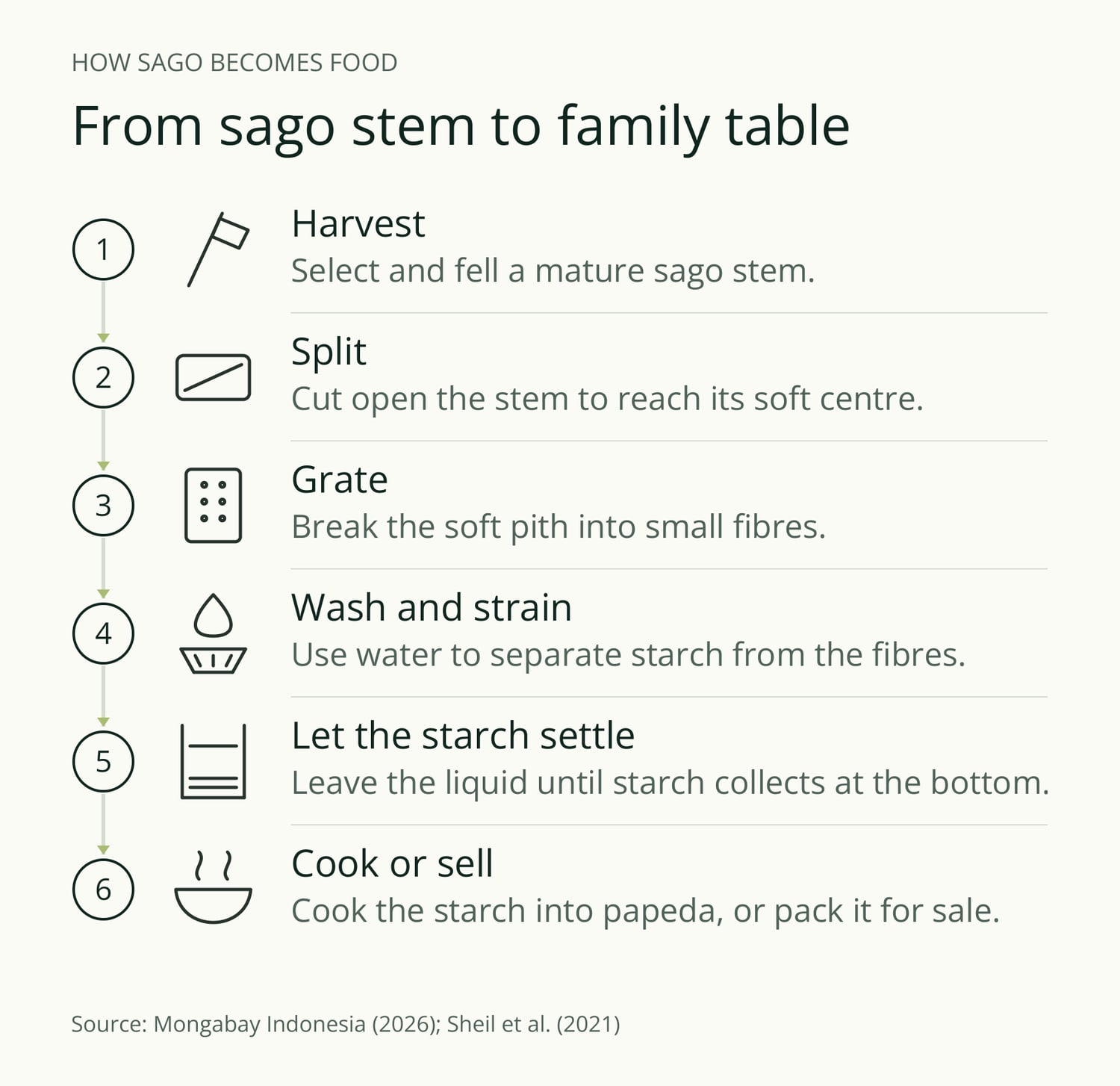
Turning a stem into food takes skill and shared effort. The stem is felled and split, its soft pith is grated, and water is used to wash out the starch. The liquid is then left to settle so the starch can be collected.[1][4] Often carried out in the forest, this process brings family members together.

At Canopy Carbon, we believe sago's value comes from the connections it sustains: healthy wetlands, places for wildlife to live, and food and cultural knowledge passed between generations. Protecting these forests means recognising how closely the lives of people and nature are linked.
Sources
1. The Floodplain Forests of the Mamberamo Basin, Papua, Indonesia - Sheil, D. et al. (2021), Forests 12:1790
2. Soil Environment in Sago Palm Forest - Okazaki, M. & Sasaki, Y. (2018), in Ehara, H., Toyoda, Y. & Johnson, D.V. (eds), Sago Palm, Springer, Singapore
3. Land Management and Soil Quality in Sago-Based Agroforestry System: A Study on Mooi Tribe's Ecological Knowledge (Sorong, Southwest Papua) and Modern Ecological Knowledge (MEK) - Wulandari, D.K., Hairiah, K. & Prayogo, C. (2023), Journal of Applied Agricultural Science and Technology 7(4):469–483
4. Sagu, Sumber Pangan dan Penjaga Lingkungan Maluku - Mubarok, F. (2026), Mongabay Indonesia, 5 January 2026
5. Tree Cavity-Using Wildlife and the Potential of Artificial Nest Boxes for Wildlife Management in New Guinea - Warakai, D., Okena, D.S., Igag, P., Opiang, M. & Mack, A.L. (2013), Tropical Conservation Science