
 Insights
Climate
Protecting Peat, Preventing the Fires Behind the Haze
Burning peat is behind Indonesia's worst haze in over a decade. Conserving and restoring peatlands is how we stop the next one.
This year, Indonesia's peatlands burned harder than they have in over a decade, and the smoke has reached millions of people across the region. Here is what happened, what it is costing people's health, and how protecting peat can stop it happening again.
On a Tuesday morning in late August, around 3,000 people gathered outside the governor's office in Palembang, South Sumatra. They had not come to protest or to celebrate. They had come to pray for rain. The smoke around them was so thick that drivers kept their headlights on in the middle of the day.[1]
It is a scene that says more about this year's fire season than any statistic. Still, the numbers matter, because they show how far the problem has spread, and where it begins.
Peat is fuelling Indonesia's worst fires in over a decade
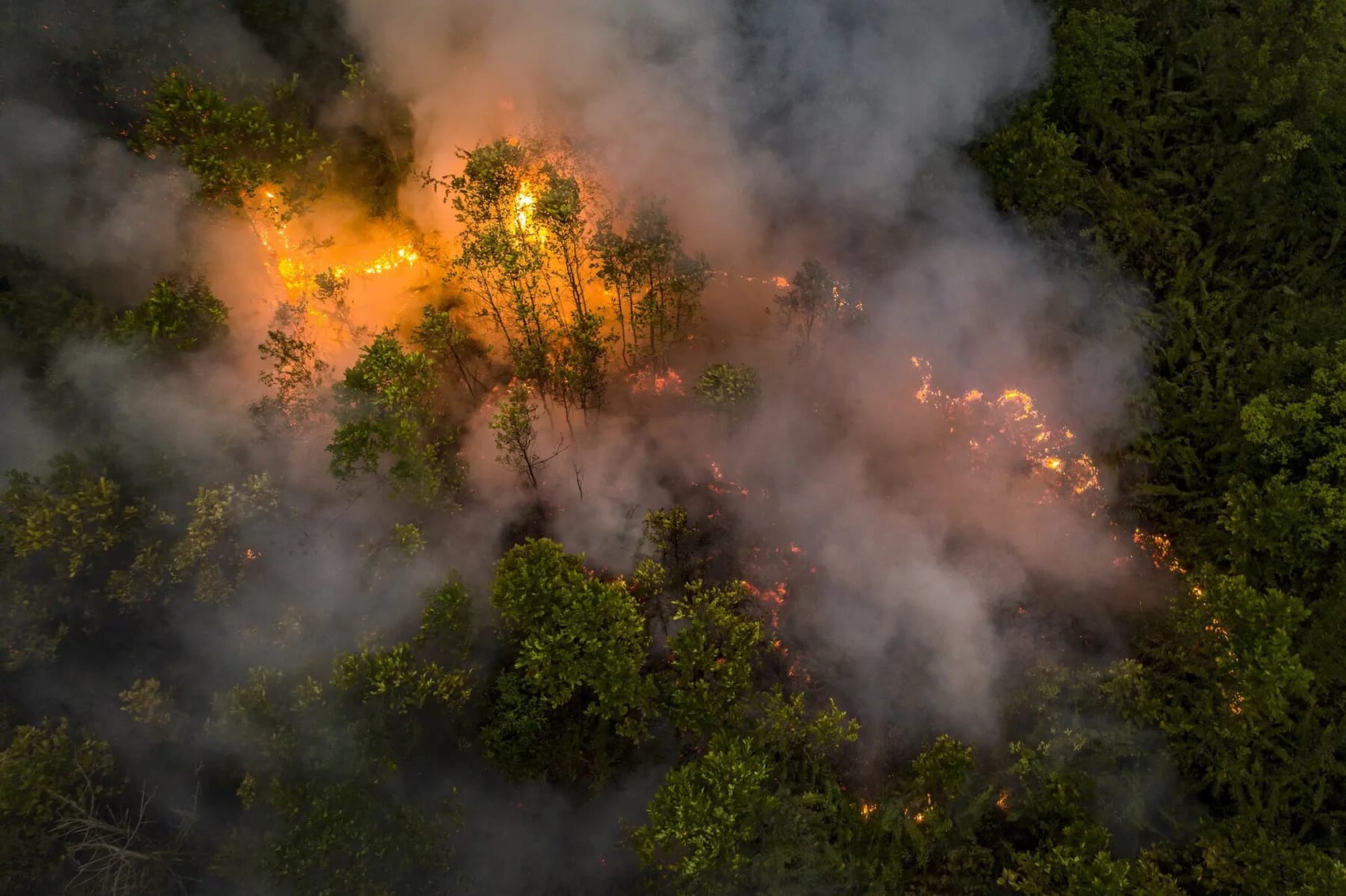
Indonesia is living through its most intense fire season in 11 years, after a strong El Niño left the land bone-dry.[2] Official figures show that the area burned between January and July was 69% larger than in the same months last year.[3] Satellite monitoring puts the total at nearly 896,000 hectares by the end of August, about one and a half times the size of Bali.[1]
At the heart of it all is peat. Around half of the land that burned earlier this year was peatland, according to Indonesia's Ministry of Forestry.[4] And when peat burns, it is especially harmful, giving off around three times more fine smoke particles than other tropical forest fires.[5] That is why this year's haze has been so thick, and why it has travelled so far.
The smoke is making people sick, and the youngest and elderly are hit the hardest
For families living closest to the fires, the haze is not a headline. It is the air they breathe, every day.
By 12 October, Indonesia's Ministry of Health had recorded 277,075 cases of acute respiratory infection in six fire-hit provinces, and 62,400 of them were children aged five and under.[6] Behind each of those numbers is a person, and more than one in five is a small child.
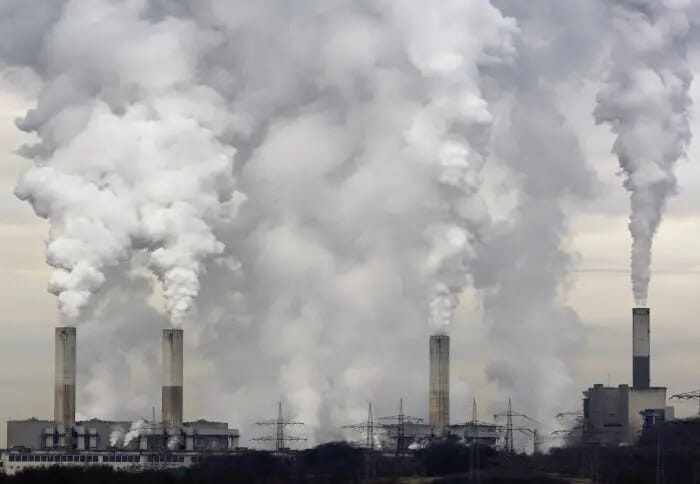
The smoke is more than unpleasant. It is dangerous. By the end of August, pollution in parts of Kalimantan had climbed to seven to eight times the World Health Organization's safe daily limit. On the worst day, 18 August, more than 41 million Indonesians, around 15% of the population, were breathing air rated unhealthy or worse. The Centre for Research on Energy and Clean Air estimates that smoke from the fires was linked to around 1,700 deaths in August alone, and that people in Kalimantan faced a short-term risk of dying three to four times higher than people in Java.[7]
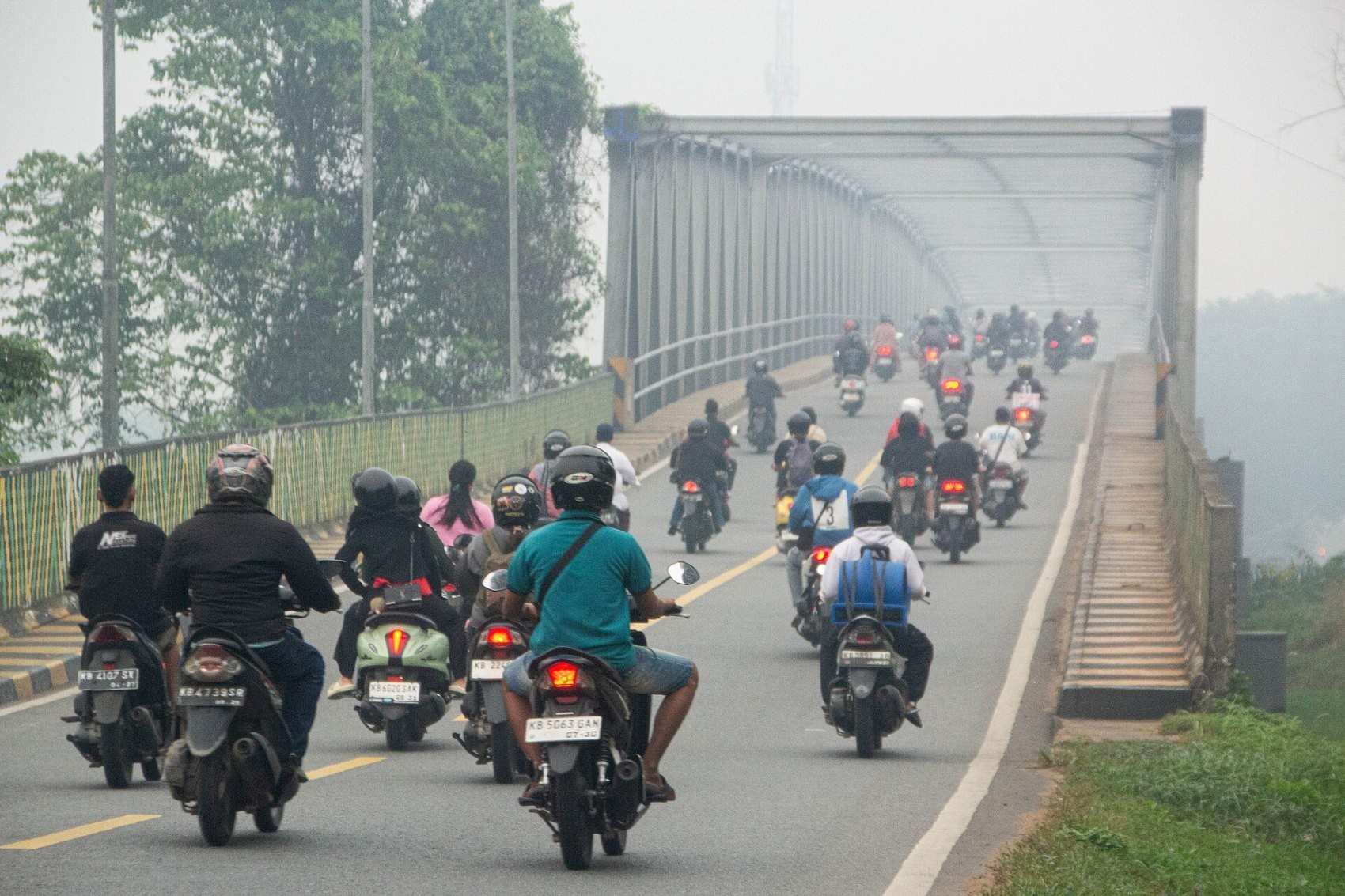
Daily life has been put on hold, too. In Jambi, schools from kindergarten to senior high closed their doors in late August, while respiratory cases in the city rose and parents rushed to buy masks for their children.[8] Across the border, Malaysia closed schools for around two million students on 9 October, and Singapore's air pollution index climbed to 192, its worst reading of the year so far.[2, 9]
Wherever the haze drifts, the same people suffer most: young children, older people and anyone living with heart or lung conditions. And in Kalimantan, one of the hardest-hit regions, there is not a single specialised lung hospital to care for them.[7]
Drained peat becomes fuel, and only water can put it out
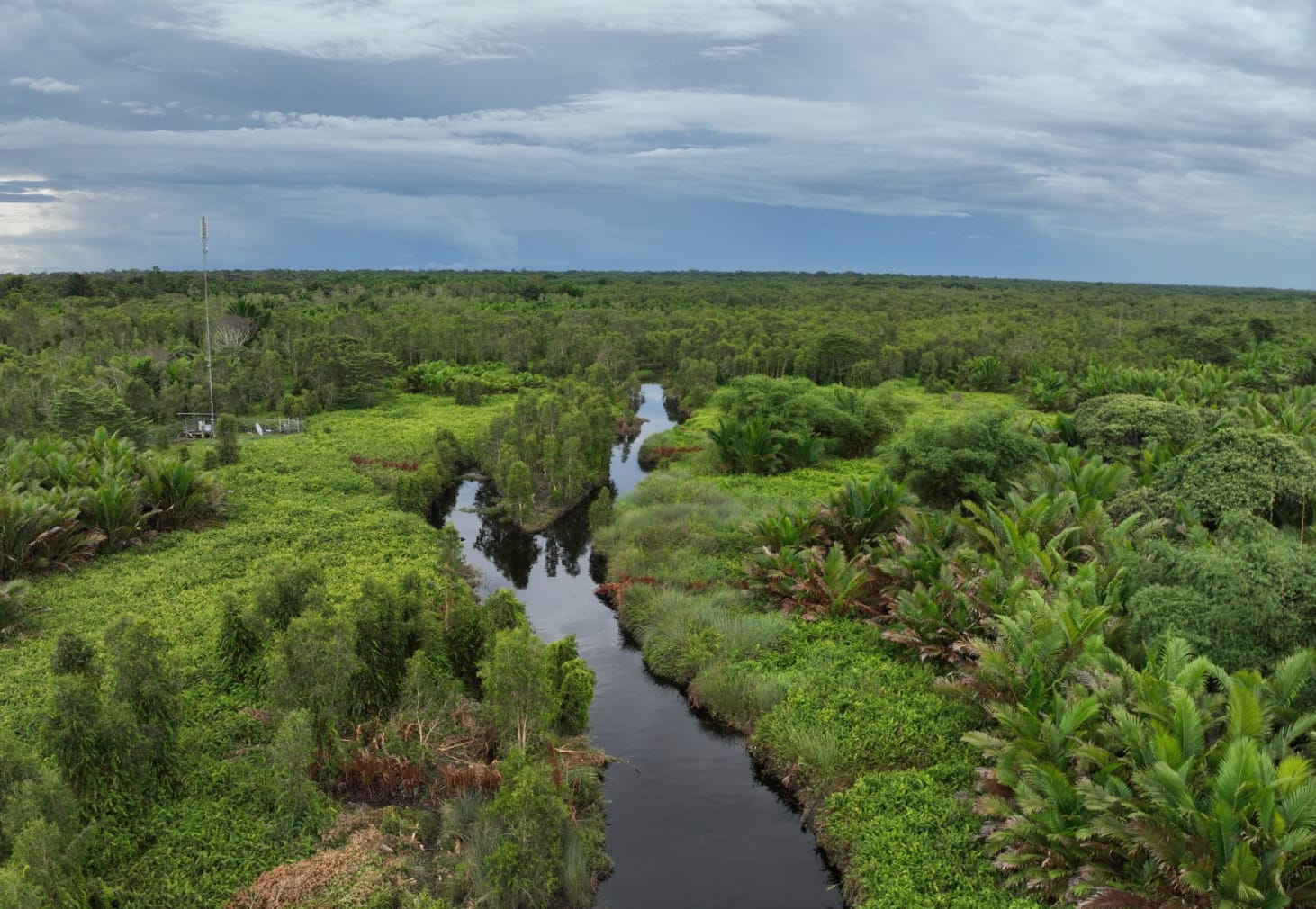
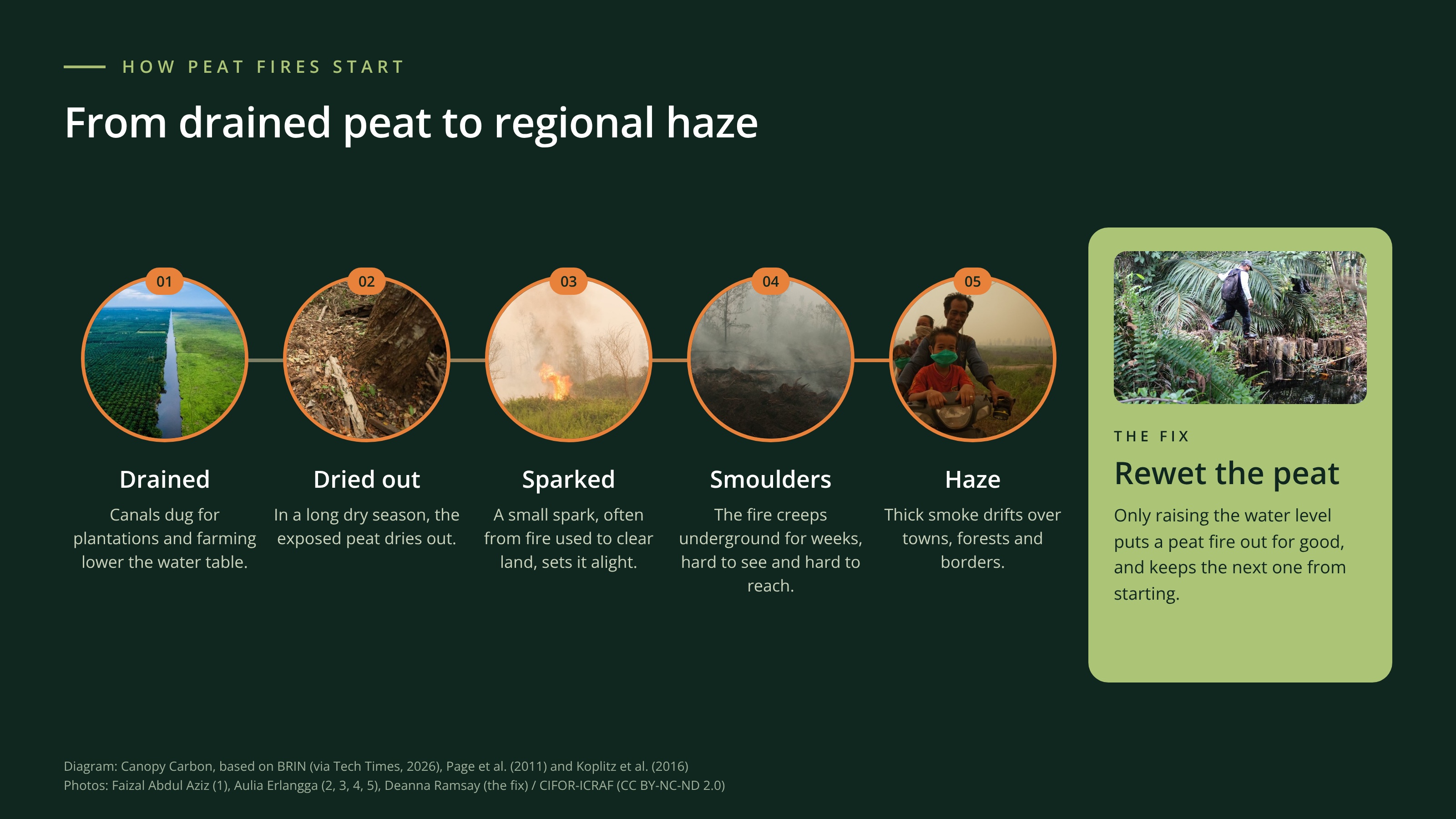
Healthy peat is soft, waterlogged ground, built up from plant matter over thousands of years. As long as it stays wet, it is very hard to burn. It is also one of the world's great natural carbon stores: Indonesia alone holds around 65% of all the carbon locked in tropical peat.[10]
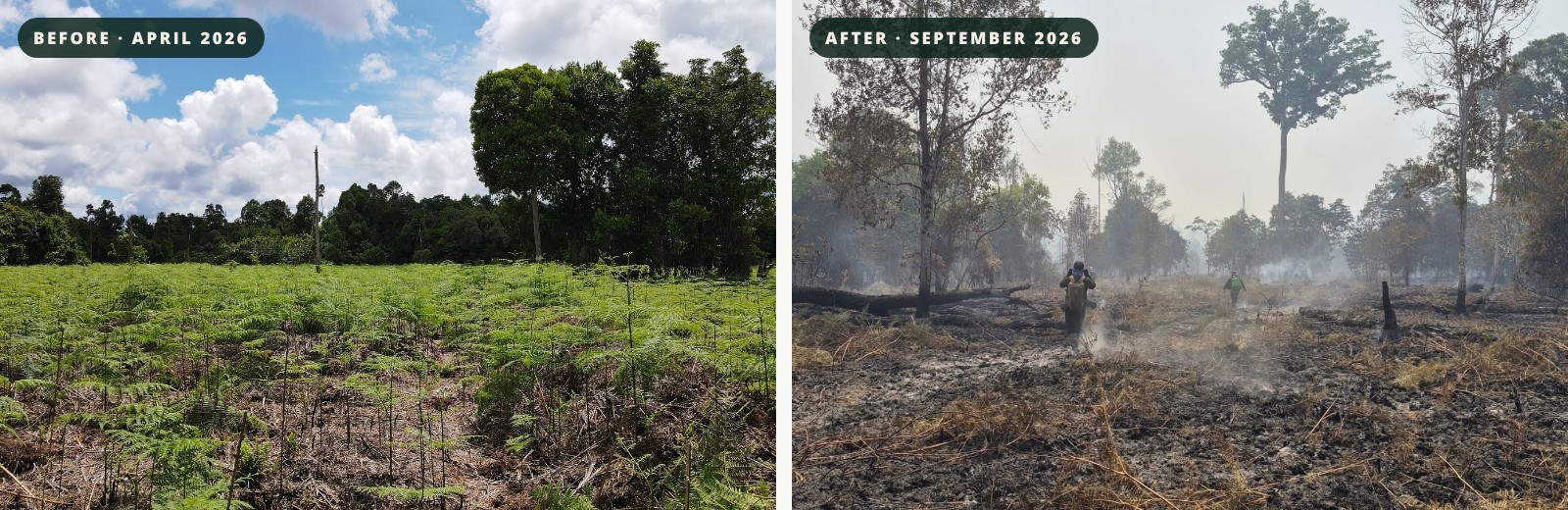
The trouble begins when peat is drained, often by canals dug for plantations and farming. As the water drains away, the peat dries out, and a single spark can set it alight.[11]
Once it catches, peat can smoulder underground for weeks.[10] Water bombing may knock down the flames on the surface, but as Dony Rachmanadi, a senior researcher at Indonesia's National Research and Innovation Agency (BRIN), puts it: "Peat can only truly be extinguished when it is re-saturated with water." Each fire also leaves the peat about 15% less able to hold water, so land that has burned once burns more easily the next time.[11]
In other words, the surest way to stop the haze is to keep peat from drying out and burning in the first place.
Stopping fire starts with keeping peat wet
At Canopy Carbon, protecting Indonesia's peatlands is our everyday work. Across our projects, our teams share one simple goal: stopping fire before it can take hold.
- Keeping water in the peat. We restore water levels in drained areas, so the ground stays waterlogged and hard to burn.
- Spotting fire early. Satellite hotspot alerts, field patrols and trained response teams help us reach a fire before it spreads into the peat below.
- Working with communities. We work side by side with neighbouring villages on fire-free ways to farm and manage land, with training and local jobs that make protection part of everyday life.
- Restoring damaged land. Where peat has already burned or been degraded, we work to bring the landscape back to life.
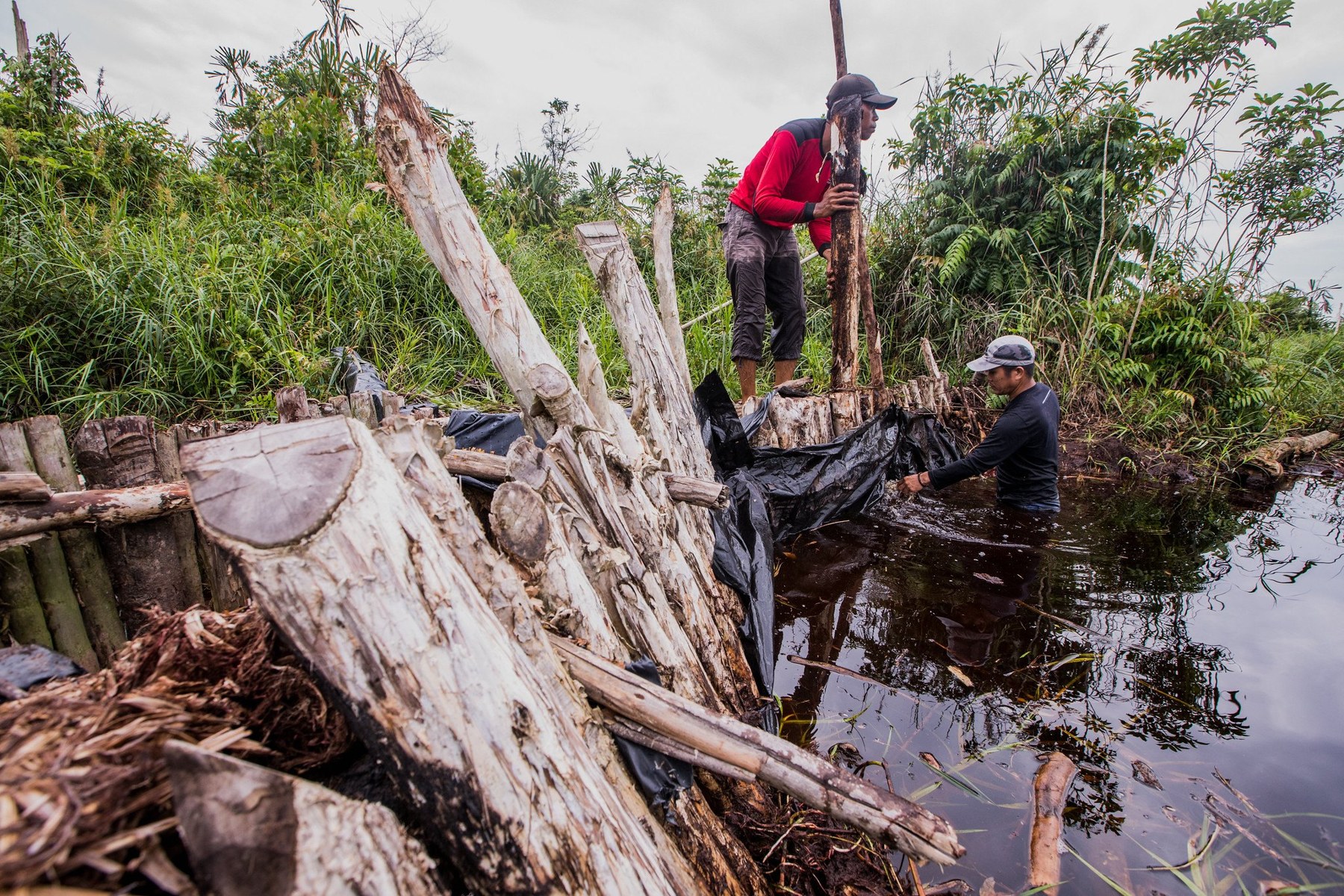
None of this happens overnight. But every hectare of peat that stays intact is smoke that never reaches a classroom.
The rains will end this fire season, but only protected peat can prevent the next
The rains will come. Forecasters expect the season to start turning towards the end of October.[12] But the drained peat that made this year so destructive will still be there next year, waiting for the next dry spell.
Preventing the next haze will take more than firefighting. It takes peatlands that are protected and restored at scale, through conservation on the ground and new nature-based projects that keep peat intact for the long term. We hope more partners, from government and business to local communities, will join us in that work. Because when we protect the peat below, clear air will flow.
Follow Canopy Carbon on LinkedIn for more stories from Indonesia's peatlands.
Sources
1. Indonesians brave choking smoke to pray for rain as country battles wildfires - Associated Press (2026), 25 August; Wildfires threaten Indonesia's orangutans as rescuers find injured animals, 10 October, citing Nusantara Atlas
2. Malaysia's Firefly cancels flights to Singapore over transboundary haze - Al Jazeera (2026), 13 October; Malaysia shuts schools as haze from Indonesian fires chokes Southeast Asia, 9 October
3. Karhutla 2026 sampai wilayah timur Indonesia, koalisi desak perbaikan tata kelola - Ministry of Forestry SiPongi fire-monitoring data, reported by Republika (2 October 2026)
4. Behind the Haze: The Challenge of Calculating Indonesia's Peatland Emissions - Ministry of Forestry figures, reported by The Nature Conservancy (21 July 2026)
5. Peatland Fires Darken Skies in Indonesia - NASA Earth Observatory (3 September 2026)
6. 277.075 kasus ISPA terdeteksi di 6 wilayah terdampak karhutla, 62.400 kasus dialami usia 0-5 tahun - Indonesian Ministry of Health data to 12 October, reported by JawaPos (13 October 2026)
7. Choking on inaction: Indonesia's fires led to 1,700 deaths in August, but regular air pollution even more - Centre for Research on Energy and Clean Air (14 September 2026)
8. Kabut asap Jambi, sekolah diliburkan - CNA Indonesia (25 August 2026)
9. National Environment Agency data - Reported by Bernama (9 October 2026)
10. Global and regional importance of the tropical peatland carbon pool - Page, S.E., Rieley, J.O. & Banks, C.J. (2011), Global Change Biology 17(2):798–818; Koplitz, S.N. et al. (2016), Environ. Res. Lett. 11:094023
11. Water table collapse driving Indonesia's peatland fires, researchers warn amid record burns - Tech Times (7 October 2026), reporting BRIN research on peat hydrology
12. Asap karhutla Kalimantan sampai Malaysia-Singapura, risiko masih tinggi - ASEAN Specialised Meteorological Centre outlook, reported by detikKalimantan (11 October 2026)